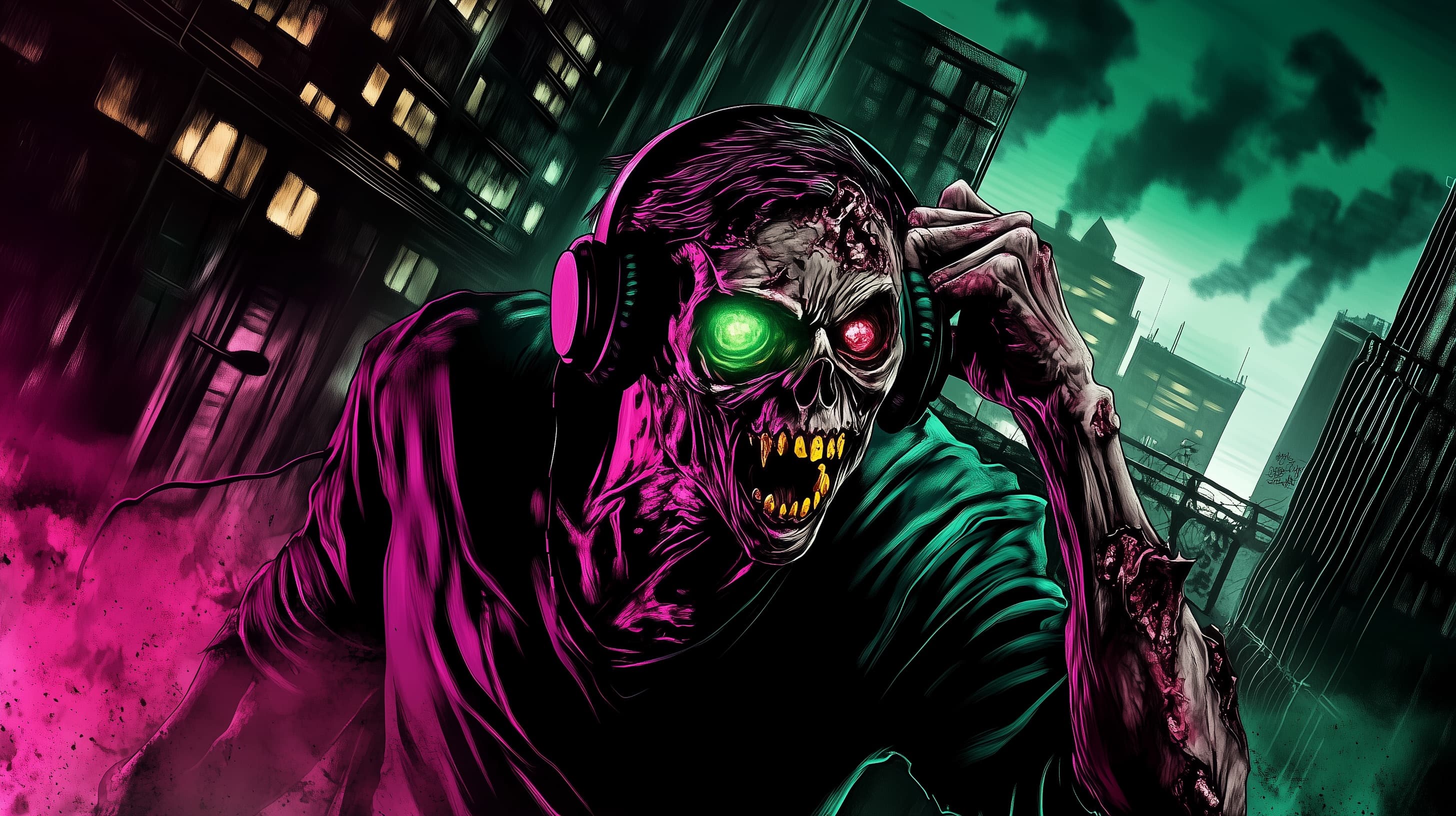
The complete timeline // 1969 → today
History ofDrum & Bass
Drum and Bass wasn't born overnight — it evolved from chaos, technology, and community. What began in small underground clubs of early '90s London has become one of the most technically advanced and emotionally charged genres in electronic music.
Key dates
Let's trace the story from jungle's raw beginnings to the modern precision of DnB and neurofunk.
The Winstons release “Amen, Brother”. Its four-bar drum solo becomes the Amen break.
Fabio & Grooverider play faster, darker breakbeat sets at Rage, Heaven in London.
UK rave splits off: the breakbeat-and-bass sound gets its own name — jungle.
Goldie – Inner City Life takes jungle from pirate radio towards the mainstream.
Goldie releases the album Timeless; “drum and bass” replaces “jungle” as the umbrella name.
Hospital Records is founded in London.
Roni Size / Reprazent win the Mercury Prize with New Forms — Bristol is on the map.
Ed Rush & Optical – Wormhole: the blueprint for neurofunk.
Fabio's Liquid Funk compilation gives liquid drum and bass its name.
Noisia form in Groningen, Netherlands, and go on to define modern neurofunk.
DnB goes global: New Zealand, Czech Republic, Austria, Germany and Eastern Europe build their own scenes.
Producers blend styles — dozens of subgenres, one tempo around 174 BPM.
Late 1980s – Early 1990s
The birth of jungle
Drum and Bass started with breakbeats — chopped-up drum loops from funk and soul records, especially the legendary "Amen Break."
When UK producers began speeding up these samples to 160–170 BPM and layering heavy basslines under them, jungle was born.
It was the sound of multicultural Britain — Caribbean sound system culture, hip-hop sampling, and techno futurism colliding on dancefloors.
- Influential early artists
- Goldie
- LTJ Bukem
- DJ Hype
- Shy FX
- Roni Size
Key track
Goldie – Inner City Life (1994) — a timeless anthem that bridged underground jungle with mainstream recognition.
Mid–Late 1990s
The rise of drum and bass
As production tools improved, the jungle sound began to evolve — cleaner, tighter, more precise.
The genre took a new name: Drum and Bass.
Producers started focusing on engineering as much as musicality — perfecting mixdowns, layering sub frequencies, and defining modern DnB structure.
- soulful, melodic
Liquid Funk
High Contrast, Calibre, London Elektricity
- darker, industrial, robotic
Techstep
Ed Rush & Optical, Trace, Dom & Roland
- playful, rave-inspired
Jump-Up
DJ Hazard, Macky Gee
How they sound today: types of DnB explained.
2000s
Neurofunk and the age of precision
In the early 2000s, producers pushed sound design to a new level — birthing Neurofunk.
This subgenre took the structure of DnB and filled it with complex modulation, resampled basslines, and futuristic soundscapes.
Neurofunk became the mechanical heartbeat of Drum and Bass — a dark, cerebral style focused on movement, depth, and detail.
- Influential artists
- Ed Rush & Optical
- Noisia
- Phace
- Black Sun Empire
- Spor
- Mefjus
"If jungle was the rebel, neurofunk became the scientist."
Go deeper: what is neurofunk · how to produce neurofunk.
2010s
Global expansion
By the 2010s, Drum and Bass was everywhere — from main stages to bedrooms.
Scenes exploded in New Zealand, Czech Republic, Austria, and Germany, where producers and labels built new ecosystems.
DnB had become a global language — precise, emotional, and deeply communal.
- UK
Hospital Records
brought DnB to festivals and live acts
- New Zealand
The Upbeats & State of Mind
led the Southern Hemisphere wave
- Czech Republic
Let It Roll Festival
one of the world’s largest DnB gatherings
- Eastern Europe
Neurofunk wave
Where to find it today: neurofunk labels.
2020s – Today
The modern era
Today, Drum and Bass is stronger than ever.
Producers blend styles — liquid meets neuro, deep meets tech, organic meets digital.
AI tools, modular synths, and advanced DAWs have made production more creative than ever.
Current trends
- Cinematic DnB
- Hybrid Minds, Sub Focus
- Minimal & Deep
- Alix Perez, Monty
- High-Energy Neurofunk
- Gydra, Mefjus, DnB Doctor roster
- Experimental Fusions
- Halogenix, IMANU, Visages
Legacy
Drum and Bass has shaped film scores, video games, advertising, and club culture.
It's influenced genres from dubstep to techno and remains one of the few electronic movements where artistry, innovation, and underground spirit still coexist.
It's not nostalgia — it's evolution.
DnB no longer belongs to one sound — it's a spectrum. What unites it is still the same force that started it all:
the drums and the bass
Hear it now
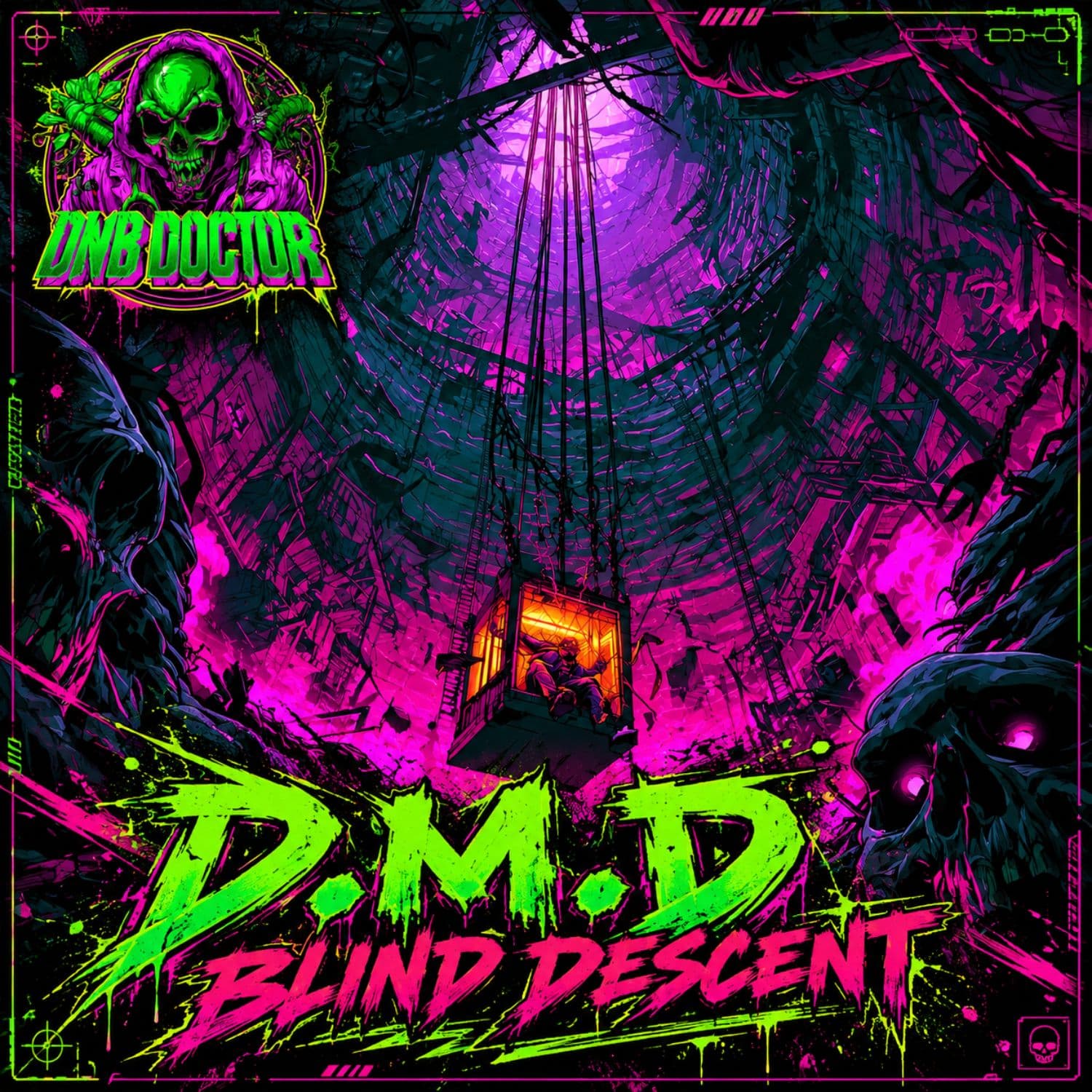
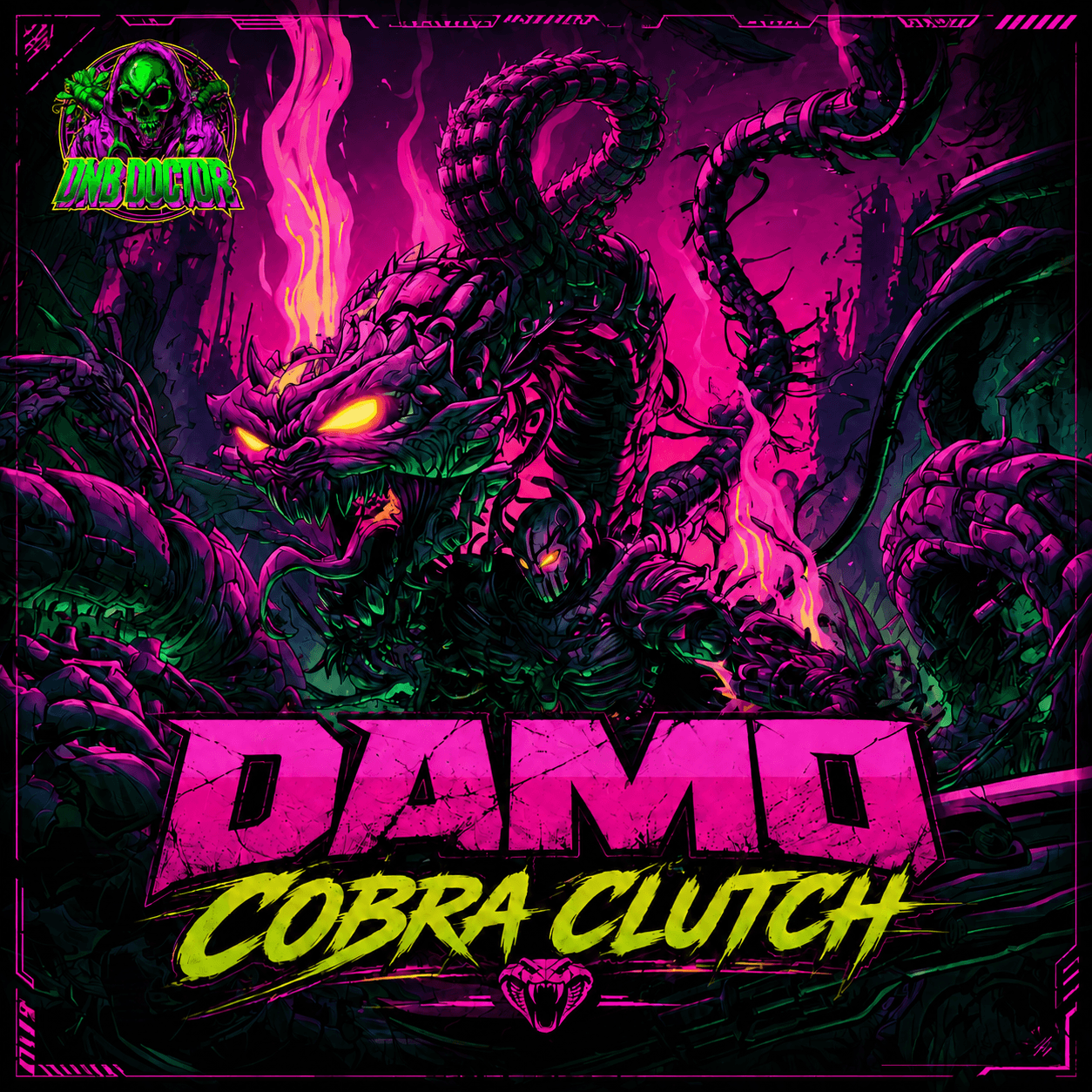
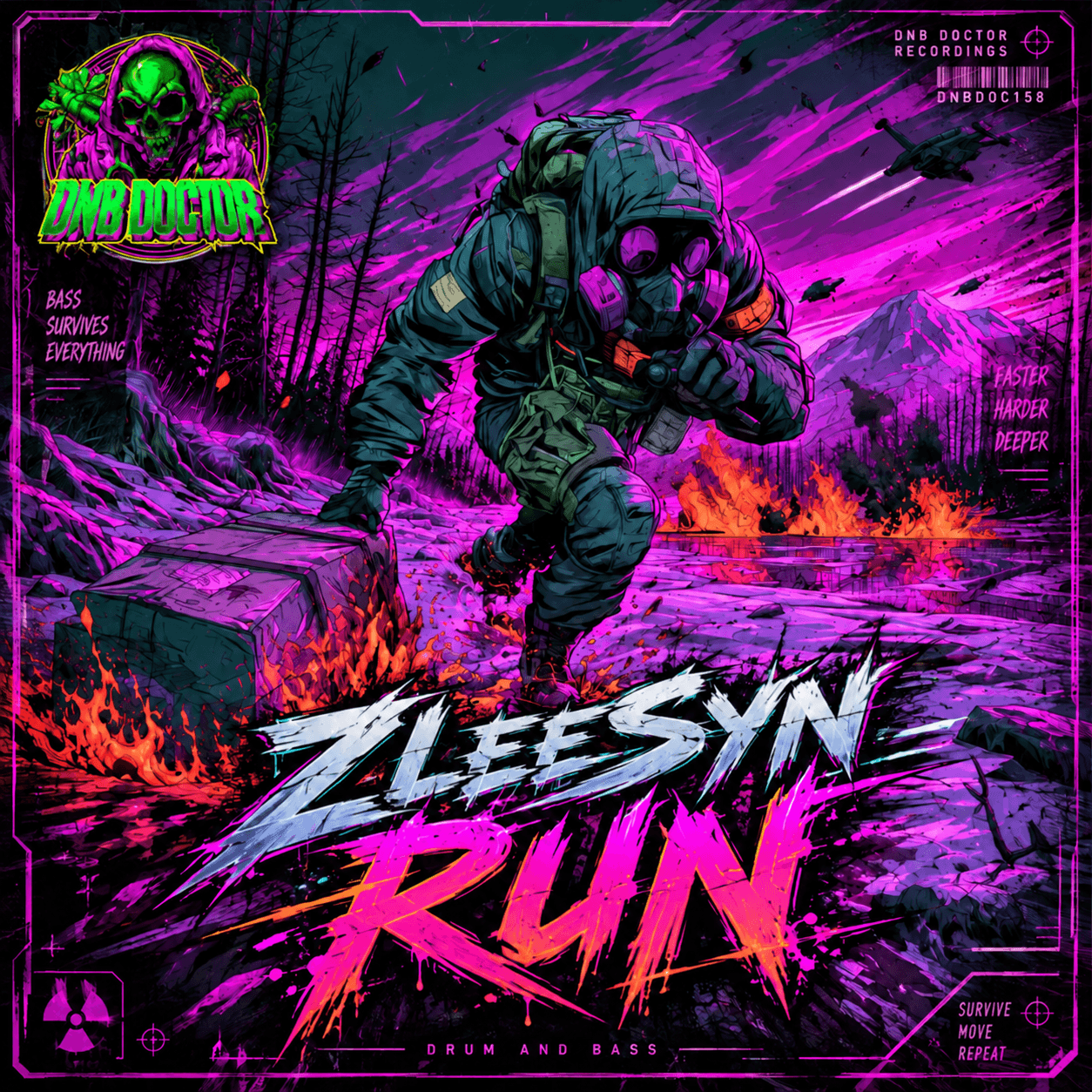
The newest chapter: latest neurofunk releases from DnB Doctor.
FAQ
When did drum and bass start?
Drum and bass started in the early 1990s in the UK. Around 1992–93 the breakbeat side of the rave scene became known as jungle, and by the mid-’90s the cleaner, more engineered sound was called drum and bass.
Where was drum and bass invented?
In the UK — mainly London, at clubs like Rage and on pirate radio. Bristol was the second key city, with Roni Size, Krust and the Full Cycle crew.
Who invented drum and bass?
No single person. It grew out of a scene: DJs like Fabio & Grooverider, and producers such as Goldie, LTJ Bukem, Roni Size, DJ Hype and Shy FX shaped the first wave.
What is the difference between jungle and liquid DnB?
Jungle is the original early-’90s sound: chopped breakbeats like the Amen, reggae and dub basslines, ragga vocals. Liquid, named around 2000, is smooth and melodic, with soulful vocals, pads and clean rolling drums. Jungle sits around 160–175 BPM, liquid around 170–176 BPM.
What is the Amen break?
A short drum solo from The Winstons’ 1969 track “Amen, Brother”. Sampled, sped up and chopped into new patterns, it became the most famous break in jungle and drum and bass.
Next: what is drum and bass · DnB BPM · types of DnB
“From jungle to neurofunk, from vinyl to digital — a story of rhythm, rebellion, and reinvention.”— DnB Doctor