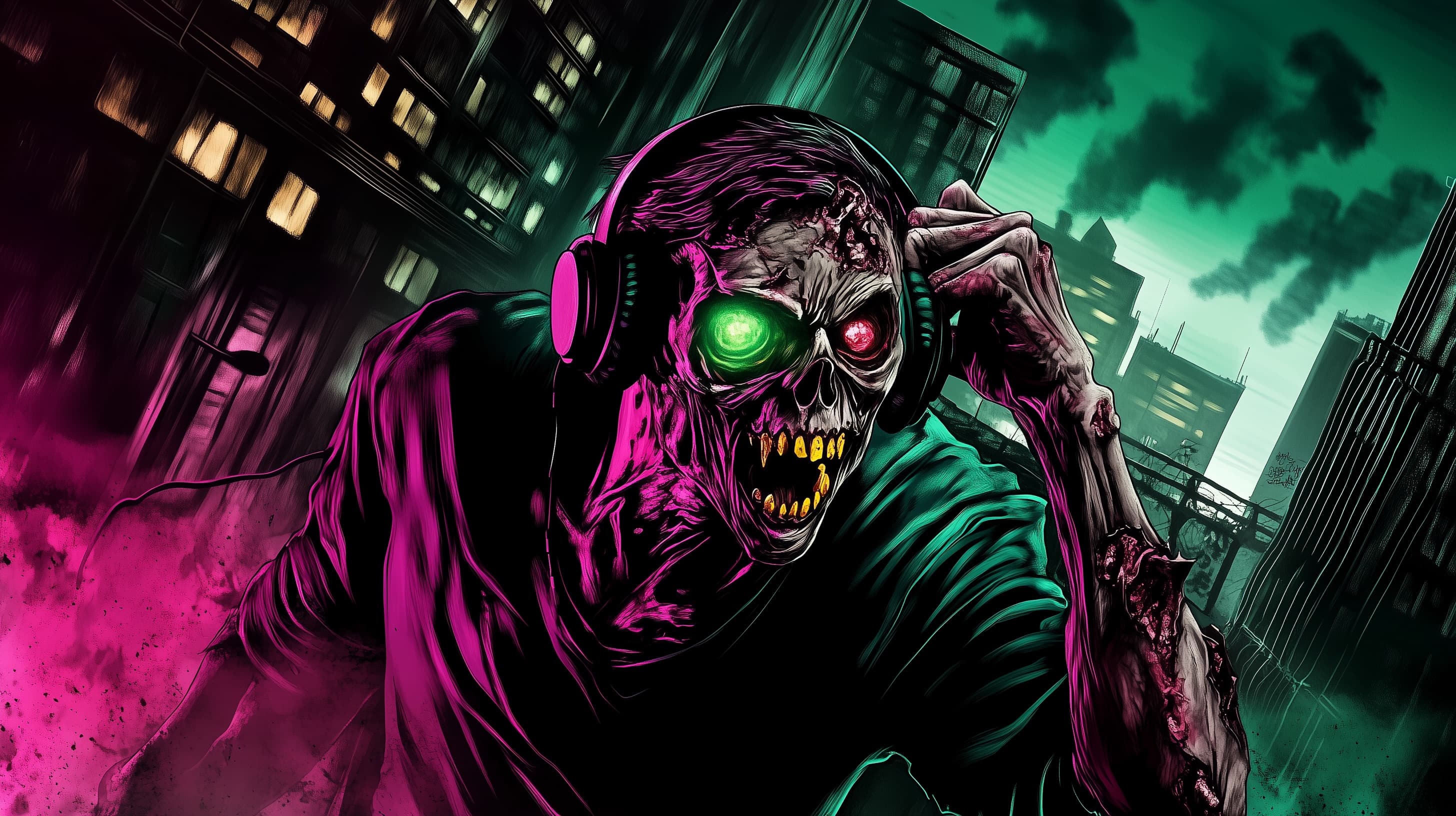
The complete guide // 174 BPM
What isDrum & Bass?
Drum and Bass — often shortened to DnB — is a high-energy electronic music genre defined by fast breakbeats (160–180 BPM, often ~174), deep basslines, and complex rhythmic structures.
What BPM is DnB?
Usually between 160–180 BPM, most tracks sit around 174 BPM. That is about 40% faster than a typical house track (~124 BPM), which is why DnB drums feel so urgent.
| Style | Typical BPM | Notes |
|---|---|---|
| Drum & Bass | 170–176 | Most modern tracks sit at 174 |
| Liquid | 170–176 | Same tempo, smoother and melodic |
| Neurofunk | 172–176 | Dark, technical, usually 174 |
| Jump-Up | 172–176 | Bouncy, rave-focused |
| Techstep | 170–180 | Minimal, industrial |
| Halftime | 170–175 | Drums feel like ~85–87 BPM |
| Jungle | 160–175 | Older, breakbeat-heavy roots |
Why 174, halftime, DnB vs other genres and delay times for producers: DnB BPM explained.
The meaning of DnB
At its core, Drum and Bass is about rhythmic precision and bass energy. While techno and house focus on steady four-on-the-floor beats, DnB uses syncopated breakbeats — chopped, swung drum patterns that create tension and movement.
Typical features
- Tempo between 160–180 BPM
- Heavy use of Amen break, Reese bass, and sub-bass layers
- Emphasis on sound design and mix clarity
The name itself says it all: Drums and Bass are the foundation — everything else (melodies, atmospheres, vocals) serves the rhythm.
From jungle to DnB
Drum and Bass was born in early '90s London, growing out of jungle, hardcore, and breakbeat rave. Pioneers like Goldie, LTJ Bukem, and Roni Size shaped the first wave — merging breakbeats, dub basslines, and soulful samples.
By the 2000s, the genre diversified:
Liquid DnB
smooth, melodic, emotional
Neurofunk
dark, technical, cinematic
Jump-Up
aggressive, playful, built for clubs
Techstep
industrial, robotic, minimal
Each subgenre kept the DnB DNA but evolved its own identity and energy.
Deep dive: the history of Drum and Bass.
The modern DnB sound
Modern DnB is produced with high-precision digital tools — DAWs like Ableton Live, FL Studio, or Cubase, and plugins such as Serum, Phase Plant, or FabFilter.
Key production traits
- Layered drum design (snare + ghost hits + transient shaping)
- Clean sub separation — bass never collides with the kick
- Atmospheric pads or cinematic ambiences
- Automation-driven movement — filters, LFOs, distortion shaping
The genre has always balanced engineering and emotion — high-tech sound with human groove.
Making it yourself? Read how to produce neurofunk and grab our sample packs.
Global scene & subculture
From underground raves in Bristol to main stages at Let It Roll, Drum and Bass has become a worldwide subculture.
United Kingdom
the birthplace, home of Hospital, RAM, Metalheadz
Czech Republic
Let It Roll & DnB Doctor generation
New Zealand
vibrant live scene, artists like The Upbeats
North America
neurofunk and liquid resurgence
The community thrives on respect, collaboration, and sonic experimentation — it's more than a genre; it's a global network of producers, DJs, and fans.
DnB subgenres
| Subgenre | Description | Example artists |
|---|---|---|
| Liquid DnB | Smooth, melodic, emotional | Netsky, LSB |
| Neurofunk | Dark, futuristic, mechanical | Noisia, Mefjus, DnB Doctor |
| Jump-Up | Playful, heavy, rave-ready | DJ Hazard, Macky Gee |
| Techstep | Minimal, robotic | Ed Rush & Optical |
| Jungle | Organic, breakbeat-driven | Shy FX, Congo Natty |
See also: types of DnB · all Drum and Bass subgenres compared · neurofunk explained
Why it matters
Drum and Bass has shaped not just club music but also film scores, video games, and advertising. Its mix of intensity and precision influenced genres like dubstep, trap, and techno.
The best way to understand it? Listen. Explore our latest releases below.
Hear it now
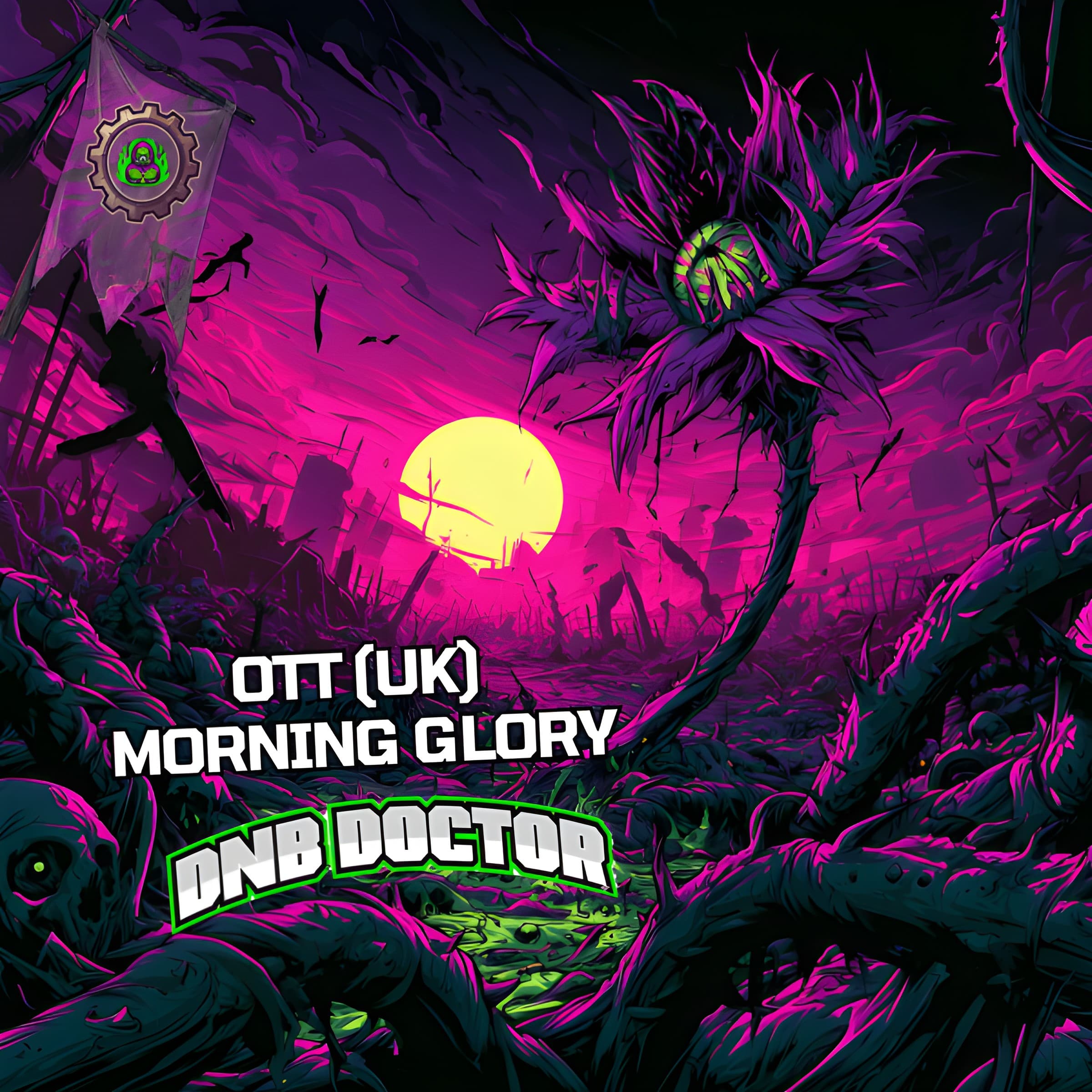
Fresh neurofunk from the DnB Doctor lab.
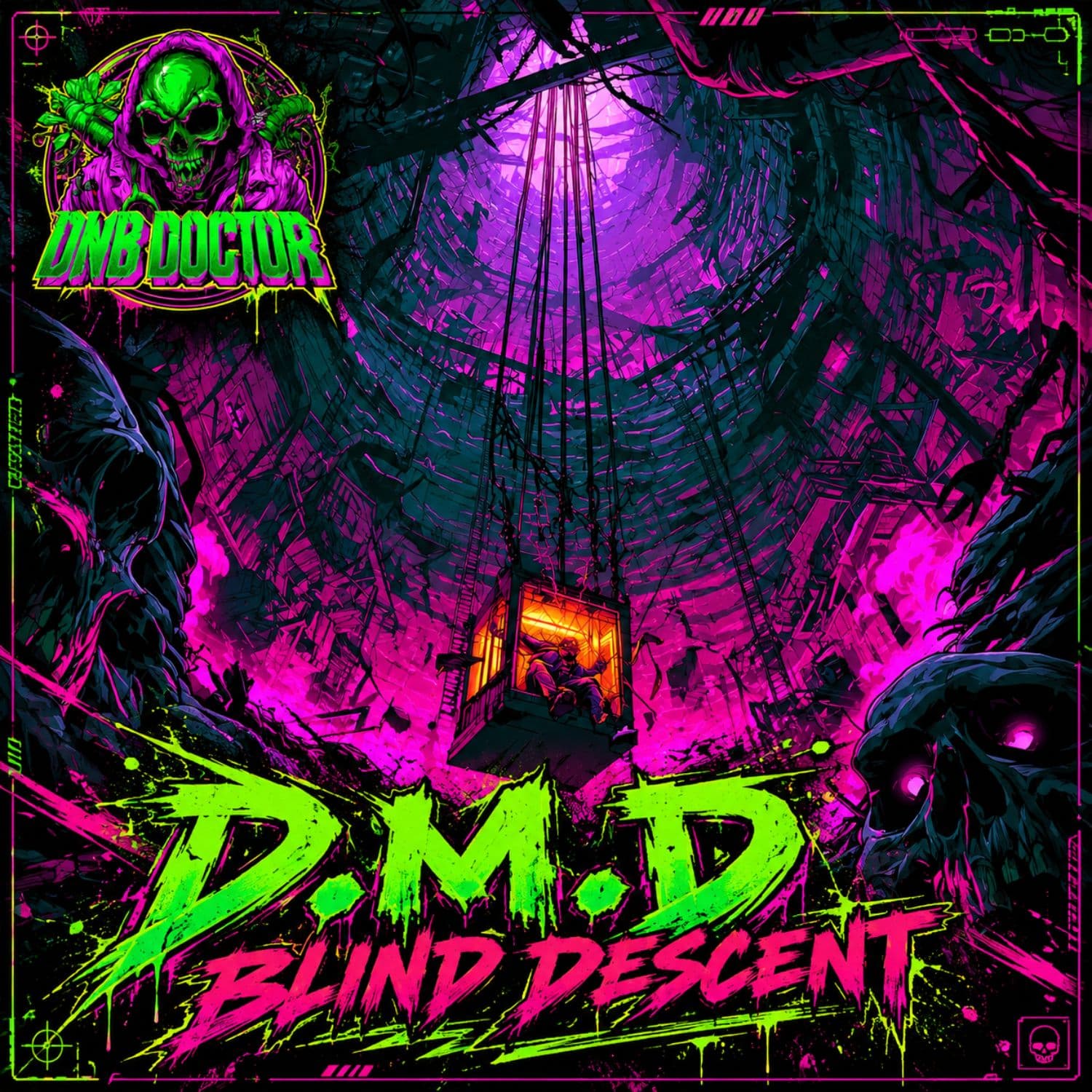
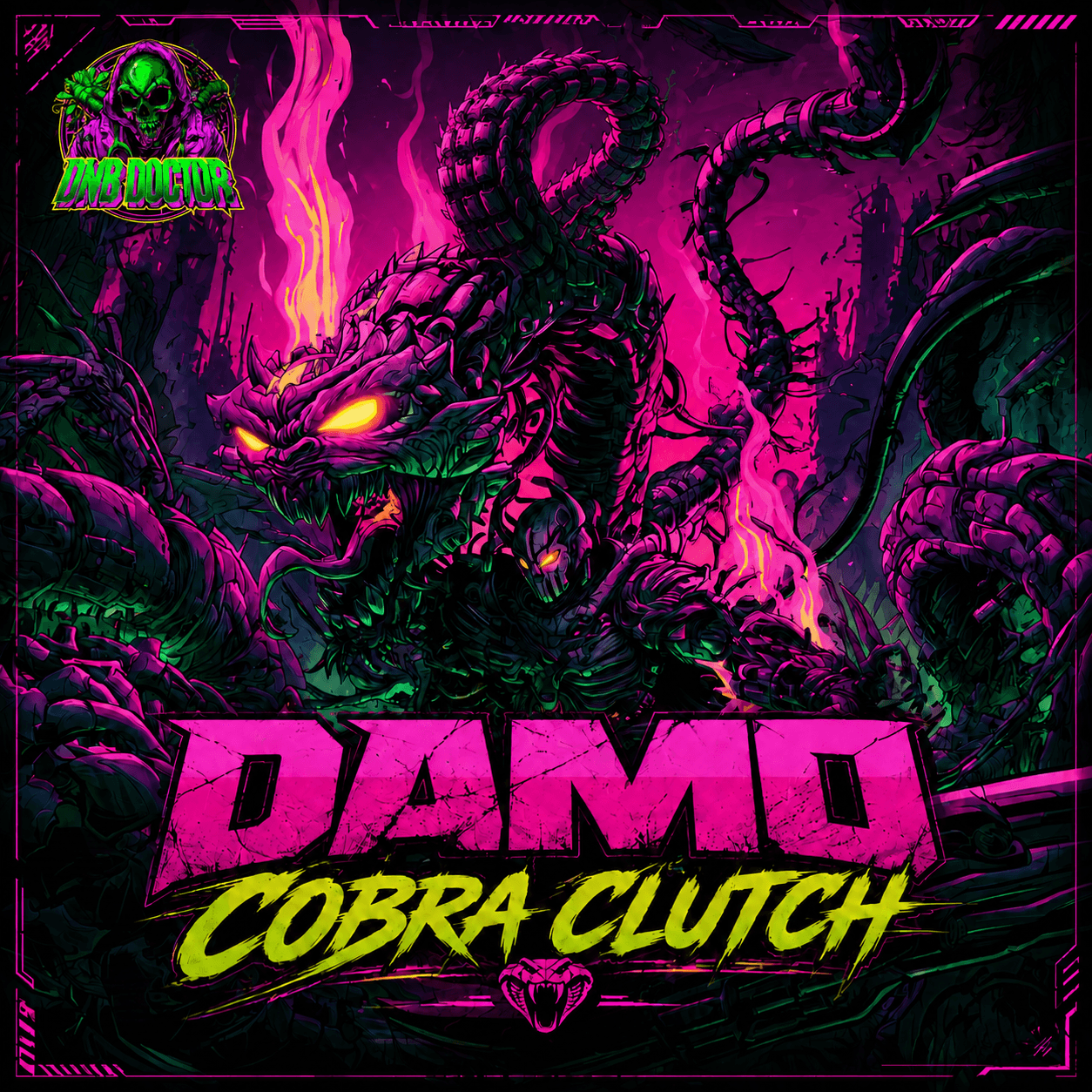
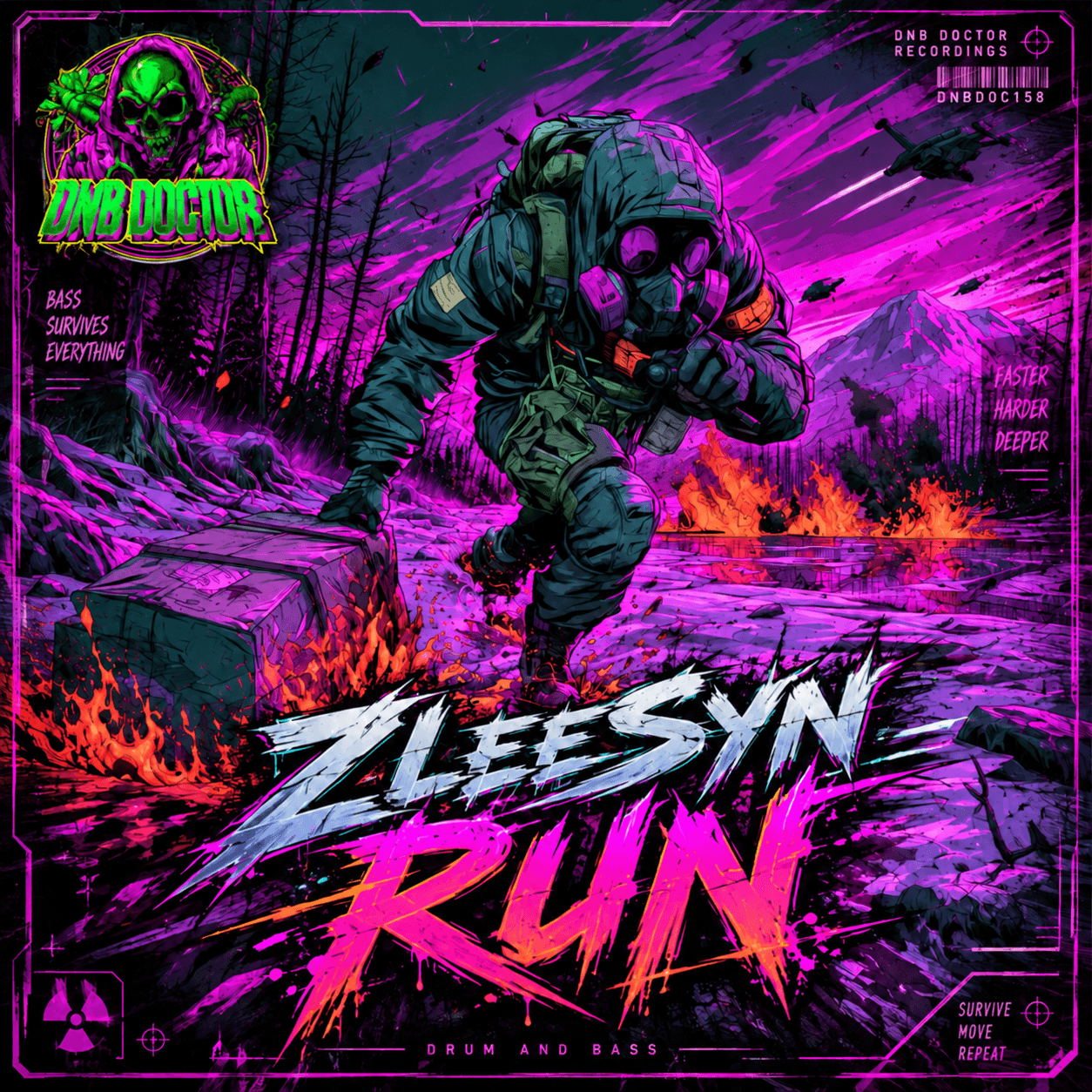
Where to start listening
Drum and Bass is a big umbrella. The fastest way to “get it” is to pick a lane, then branch out.
- If you like melodies
Liquid DnB
Start with Liquid DnB — smoother chords, vocals, emotional energy.
- If you like heavy sound design
Neurofunk
Try Neurofunk — darker, technical, futuristic bass movement.
- If you want club energy
Jump-Up
Go Jump-Up — bouncy drops, big hooks, rave-ready.
Quick beginner roadmap
- Pick one subgenre and listen for 30 minutes (don’t shuffle across styles yet).
- Pay attention to the drum pattern (breakbeats) and the bassline (sub + mid movement).
- Follow a label or artist you like and explore their catalog.
Quick DnB glossary
- Amen break
- A legendary sampled drum break used across jungle and DnB — often chopped into new patterns.
- Reese bass
- A gritty, detuned bass tone (often with movement) that became a core DnB sound.
- Double drop
- DJ technique: two tracks drop at the same time for extra impact.
- Reload
- The DJ “pulls up” the track and restarts it — usually because the crowd reaction is huge.
- Halftime
- A slower-feeling drum groove inside DnB tempo — common in heavier, darker styles.
- Roller
- A driving, continuous groove that “rolls” forward — often minimal but very danceable.
FAQ
What does DnB stand for?
DnB means "Drum and Bass" — a fast, bass-driven electronic music genre.
What's the difference between Jungle and DnB?
Jungle uses more reggae-inspired basslines and samples, while DnB tends to sound more polished and modern.
What BPM is Drum and Bass?
Usually between 160–180 BPM, most tracks sit around 174 BPM.
What is halftime in DnB?
Halftime is a DnB groove where the drums feel slower (around half-time) while the track still runs at DnB tempo — often darker and heavier.
Is Drum and Bass hard to produce?
It can be technical (drum programming, bass design, and mix clarity), but many producers start with simple breakbeats and a clean sub-bass, then build complexity over time.
How do I get into Drum and Bass as a beginner?
Start with one subgenre you enjoy (liquid = melodic, neurofunk = dark/technical, jump-up = ravey), then explore DJs, playlists, and labels in that lane.
“Drum and Bass isn't just music — it's a frequency culture.”— DnB Doctor