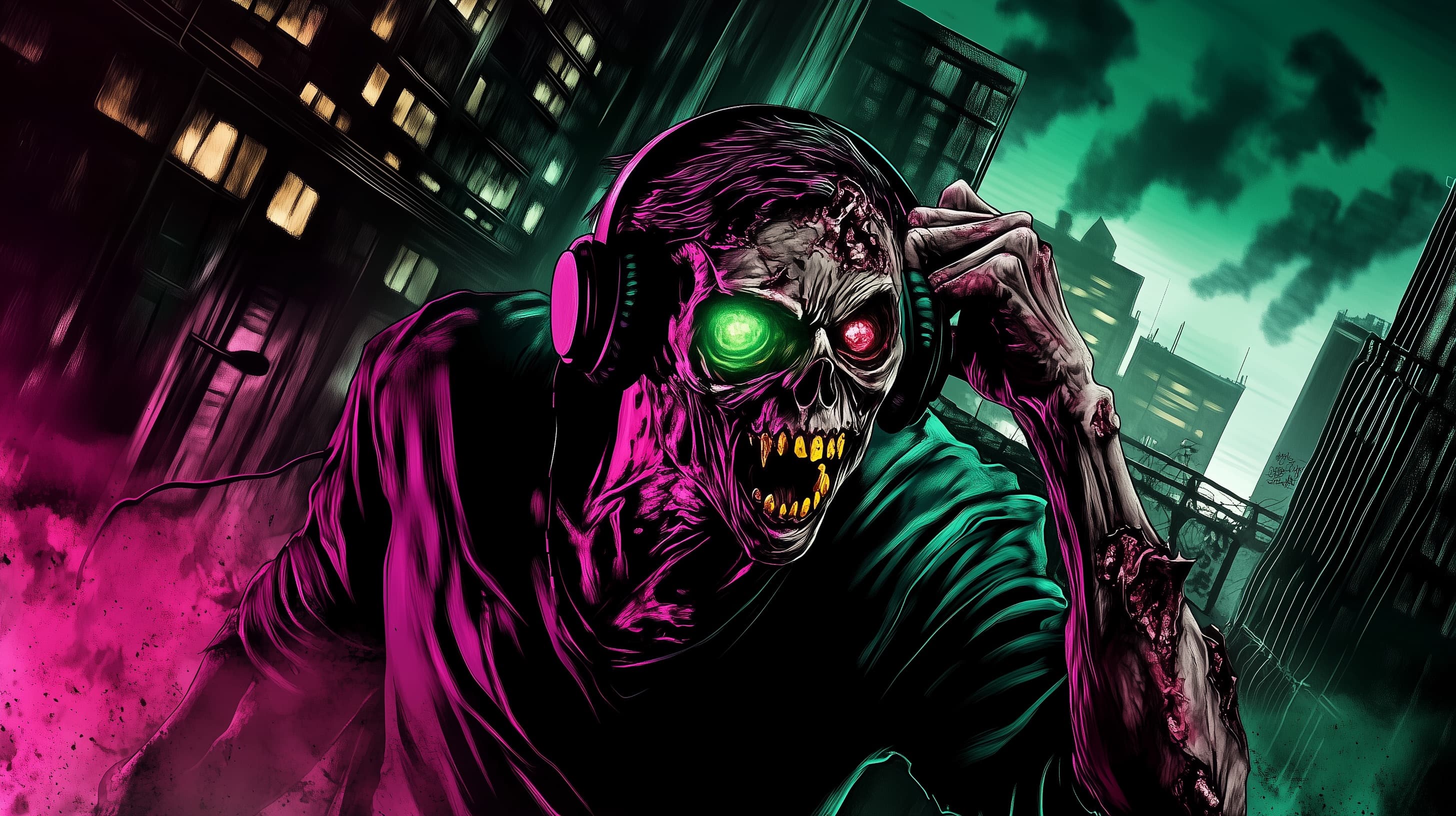
Tempo guide // 174 BPM
DnB BPM:174 explained
Drum and bass is usually 170–176 BPM, and 174 BPM is the modern standard. Older jungle runs slower (around 160–170), so the full range is roughly 160–180 BPM. Halftime DnB keeps that tempo but feels like ~87.
Why is DnB 174 BPM?
There is no rule that says drum and bass must be 174 — it is a convention that settled over time. Fast enough that breakbeats feel urgent and rolling, slow enough that a sub-bass note has room to sustain between kicks. At 174 BPM one beat lasts 345 ms and one bar 1.38 seconds.
The other reason is practical: when almost every track shares the same tempo, DJs can mix for hours without big pitch changes. That is why most modern DnB is released at or very close to 174.
The drums run at 174, the bass often moves at half speed. That push-and-pull is the whole drum & bass idea.
BPM by DnB subgenre
Subgenres differ in sound design, drums and mood far more than in tempo. Almost all modern styles sit within a few BPM of 174; jungle is the main exception.
| Style | Typical BPM | Notes |
|---|---|---|
| Drum & Bass | 170–176 | Most modern tracks sit at 174 |
| Liquid | 170–176 | Same tempo, smoother and melodic |
| Neurofunk | 172–176 | Dark, technical, usually 174 |
| Jump-Up | 172–176 | Bouncy, rave-focused |
| Techstep | 170–180 | Minimal, industrial |
| Halftime | 170–175 | Drums feel like ~85–87 BPM |
| Jungle | 160–175 | Older, breakbeat-heavy roots |
What each style sounds like: types of DnB compared · what is neurofunk
Halftime & double-time
Halftime DnB does not change the BPM. The track still runs at ~174, but the snare moves from beats 2 and 4 to beat 3, so your head nods at about 87 BPM. It is common in heavier, darker neurofunk and in breakdowns before a full two-step drop.
The reverse works too: an 87 BPM hip-hop beat played over 174 BPM drums is double-time. That is why rap and DnB fit together so easily, and why DJs can move from hip-hop to DnB without touching the tempo.
DnB BPM vs other genres
| Genre | Typical BPM | Compared with DnB |
|---|---|---|
| Hip-hop | 85–95 | Exactly half of DnB — why rap vocals sit well over halftime DnB |
| House | 120–128 | Four-on-the-floor; DnB is ~40% faster |
| Techno | 125–140 | Straight kicks, no breakbeat swing |
| Dubstep | 140 | Halftime feel at 70; DnB halftime feels ~87 |
| Trap | 130–150 | Usually felt in halftime |
| Hardstyle | 150–160 | Fast, but four-on-the-floor |
| Footwork / juke | 160 | Close in tempo, very different drums |
| Drum & Bass | 170–176 | Breakbeats at 174, sub-bass at half speed |
Tempo alone does not make a track drum and bass. Hardstyle and footwork are nearly as fast; what sets DnB apart is the syncopated breakbeat and the heavy, often half-speed bassline. More in what is drum and bass.
How the tempo crept up
- Early '90s hardcore & jungle: sped-up breakbeats, mostly in the 150s and 160s.
- Mid–late '90s: as jungle turned into drum and bass and techstep, tempos moved into the 170s.
- 2000s onwards: 172–176 became the norm and 174 the default for most labels and DJs.
The full story: history of drum and bass
174 BPM for producers
Set the project to 174 BPM before you write anything. Drum loops, bass presets and sample packs for DnB are almost always made at 174, so they line up without time-stretching. Tempo-synced delays and LFOs then follow automatically; for anything that needs milliseconds, use the table below.
| Note value at 174 BPM | Milliseconds |
|---|---|
| 1/2 note | 689.7 ms |
| 1/4 note (1 beat) | 344.8 ms |
| Dotted 1/8 | 258.6 ms |
| 1/8 note | 172.4 ms |
| 1/8 triplet | 114.9 ms |
| 1/16 note | 86.2 ms |
174 BPM for DJs
- Most DnB is already at 174, so beatmatching is mostly about phrasing — line up 16- or 32-bar sections and the drops will land together.
- Older jungle at 160–170 can be pitched up to 174; keep an eye on key lock, as large pitch changes make vocals and pads sound unnatural.
- To move between genres, use the halftime link: hip-hop at 87 or dubstep-style halftime blends straight into 174 BPM drums.
Hear it mixed: neurofunk DJ mixes · neurofunk playlists
Hear 174 BPM
The latest neurofunk from the DnB Doctor lab — every track at drum and bass tempo.
FAQ
What BPM is DnB?
Drum and bass usually runs at 170–176 BPM, and 174 BPM is the modern standard. Older jungle sits lower (around 160–170), and the full range across styles is roughly 160–180 BPM.
Why is drum and bass 174 BPM?
Tempos crept up from the 160s of early-90s jungle to the 170s by the late 90s. 174 became the default because it keeps the drums urgent while leaving room for the sub-bass to breathe, and because a shared tempo makes long DJ mixes easy.
Is halftime DnB slower?
No. Halftime tracks still run at around 170–175 BPM; only the drum pattern changes. The snare lands on beat 3 instead of 2 and 4, so the groove feels like ~87 BPM.
What BPM is neurofunk?
Neurofunk is typically 172–176 BPM, most often 174 — the same tempo as other modern DnB, with darker and more technical sound design.
What BPM is liquid drum and bass?
Liquid DnB runs at the same 170–176 BPM as other modern DnB. It sounds calmer because of its chords, vocals and smoother drums, not a slower tempo.
Is 140 BPM drum and bass?
140 BPM is dubstep and grime tempo. Some producers write 140 and DnB tracks in the same session, but drum and bass itself is about 170–176 BPM.
“Drums at 174, bass at half speed — that's the formula.”— DnB Doctor